
Replacement cost
- UseCalcPro 2026 windshield replacement cost calculator
What windshield replacement costs, when a chip is still repairable, which states waive the deductible, and why ADAS recalibration matters. Sourced.
What this site does
Windshield Brief connects you with licensed local auto glass companies.
We earn a referral fee from the company you are matched with. You pay us nothing, and the fee does not change your quote.
Full replacement averages roughly $300–$500 nationwide, widening to $250–$1,000 once glass, labour, urethane and the single-use mouldings and clips are counted. If a camera sits behind your glass, recalibration is added on top.
That spread is genuine rather than evasive. Four things move it: whether the glass carries a camera or sensor bracket, OEM versus aftermarket glass, acoustic, heated or head-up-display layers, and the single-use trim that cannot legitimately be reused.

Three states require the waiver by law, five more let you buy it, and everywhere else it is whatever your policy says. The distinction is usually blurred, and it decides who pays.
Required if you carry comprehensive cover.
Insurers must offer it; electing it is still your decision.
No deductible only if you bought the endorsement first.
Because lane keeping, automatic emergency braking and adaptive cruise all read the road through a camera mounted to the windshield. Move the glass and you move the camera’s aim, so it has to be re-aimed afterwards — with targets in a controlled bay, on a road drive with a scan tool, or both.
This is the single biggest change in windshield work in the last decade and the main reason a replacement now costs more than it did in 2015. Most comprehensive policies fold it into the glass claim rather than billing it separately.
Every figure on this page traces to one of these. Ranges are reported as ranges.
Four steps, and no obligation at any of them.
Where the damage is, how big it is, and whether it sits in your line of sight.
Short chips away from the driver’s view can often be repaired. Long or edge damage cannot.
Three states waive the deductible outright. Elsewhere it depends what you opted into.
You get a licensed local company, their quote, and the calibration question answered up front.
Windshields, side and rear glass, chip repair, and the recalibration that has to follow on anything with a camera.
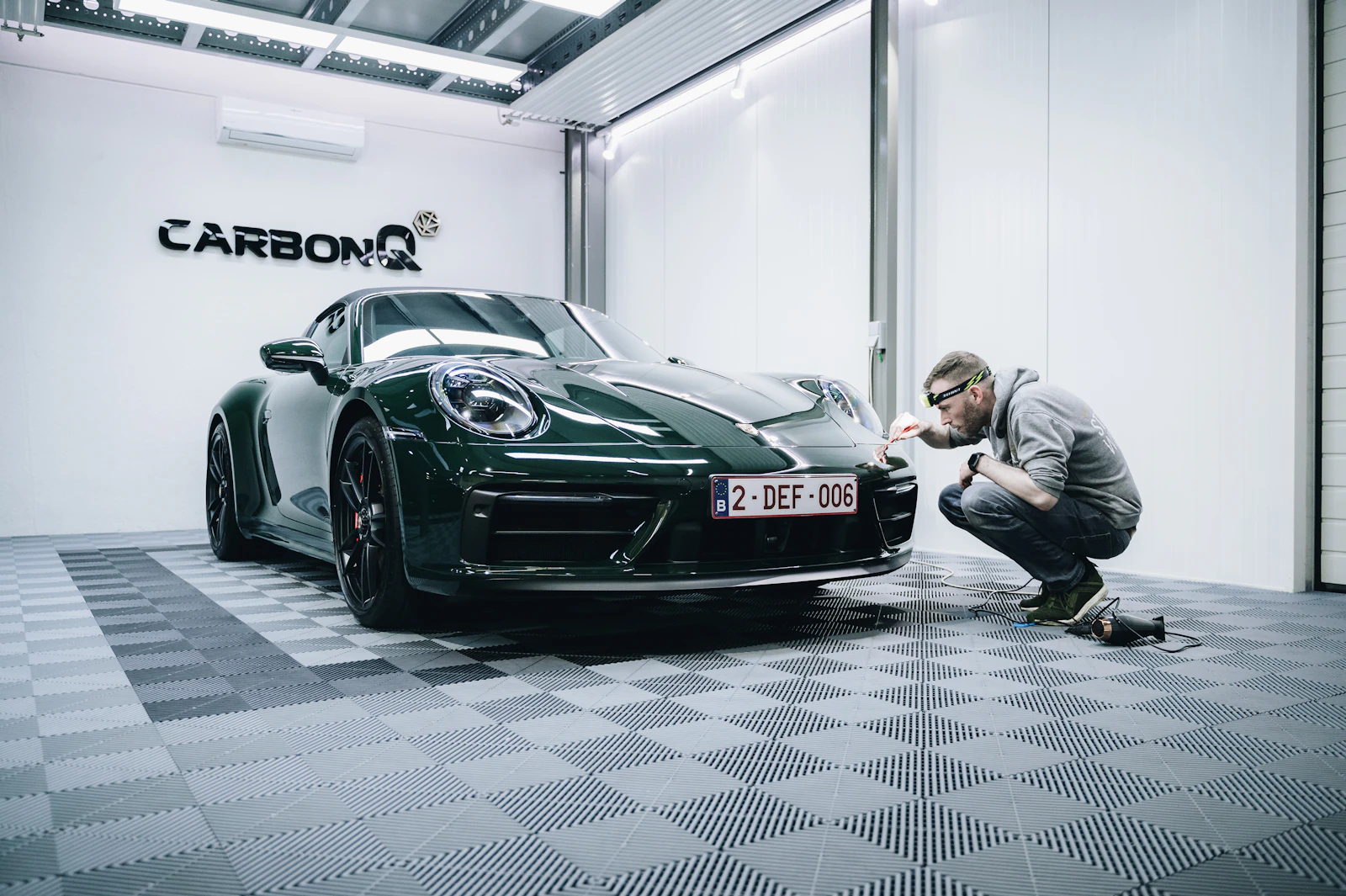
Downtime is the real cost on a working vehicle, so fleet glass is scheduled around the route rather than the depot.
Repair keeps the factory glass and the factory seal that has never been disturbed, so it is the better outcome whenever the damage qualifies. Position decides that more than size — these are the lines the trade actually works to.
Cheaper, faster, and it keeps the factory seal that has never been cut.
Add recalibration if a camera sits behind the glass — that is not optional.
Between 3 and 6 inches it depends on depth and position. That is a judgement call, and it is the one worth getting a real opinion on.
Every number on this site has a source and a date attached — and where the sources disagree, we say so instead of picking the convenient one.
Each page opens by answering its own question in a couple of sentences. The detail comes after, for anyone who wants it.
Glass pricing genuinely varies. We publish the range our sources support rather than one confident number that fits nobody.
A repairable chip should be repaired. That is the cheaper outcome and it keeps your factory seal intact.
We do not fit glass, so we have nothing to gain from talking you into replacing it. The work is done by licensed local companies.
Where the damage sits matters more than how big it is — edge and line-of-sight damage changes the answer.
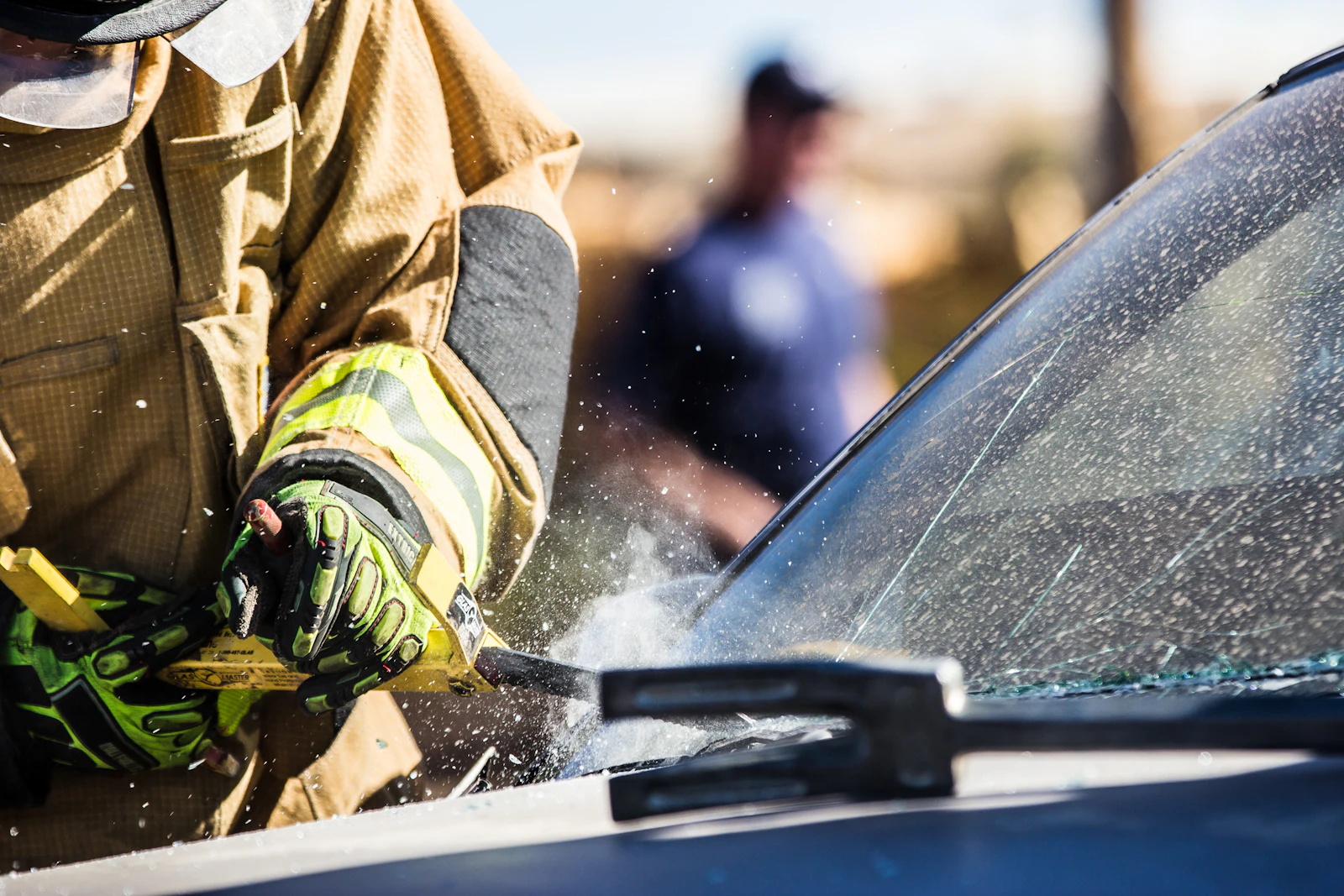
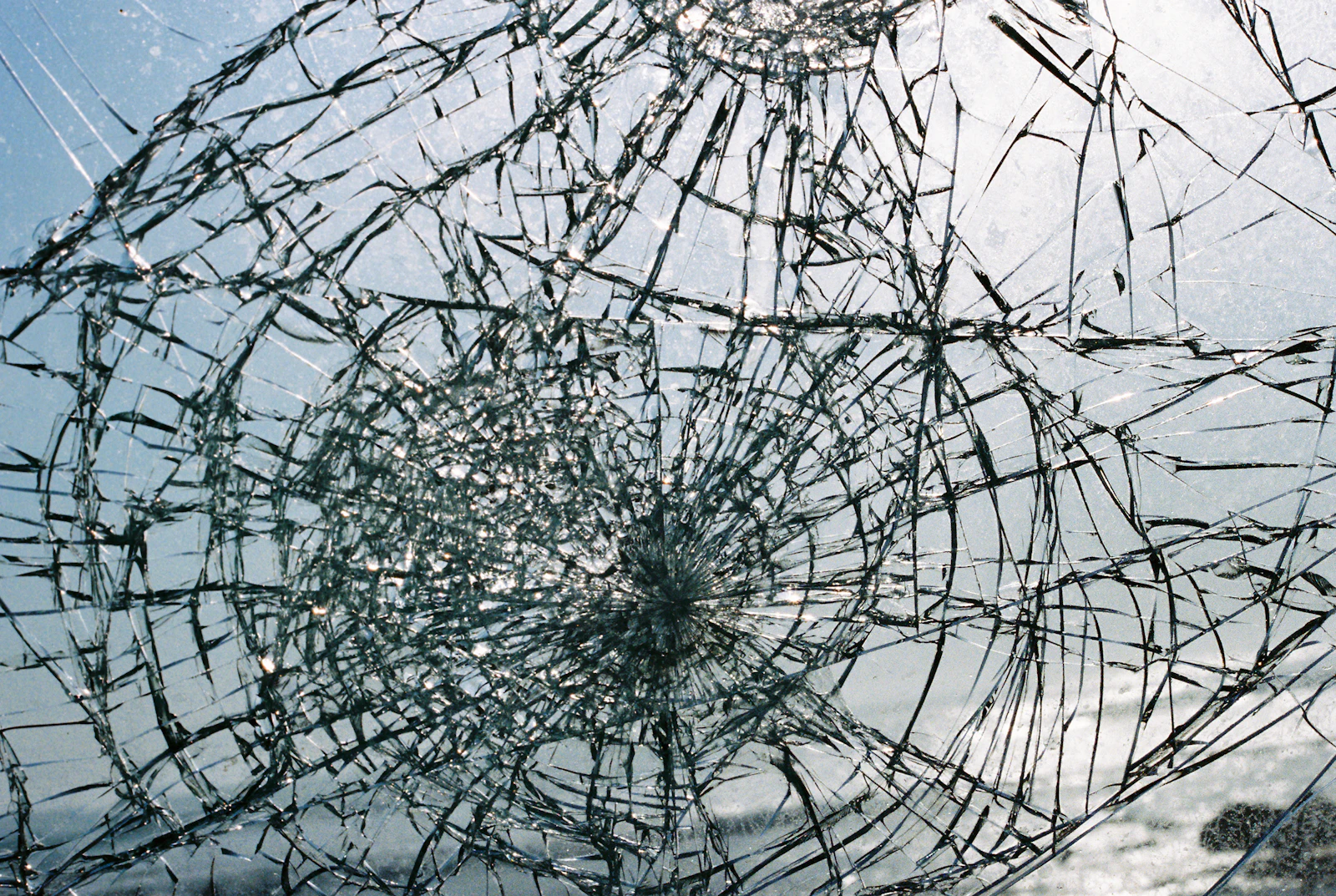
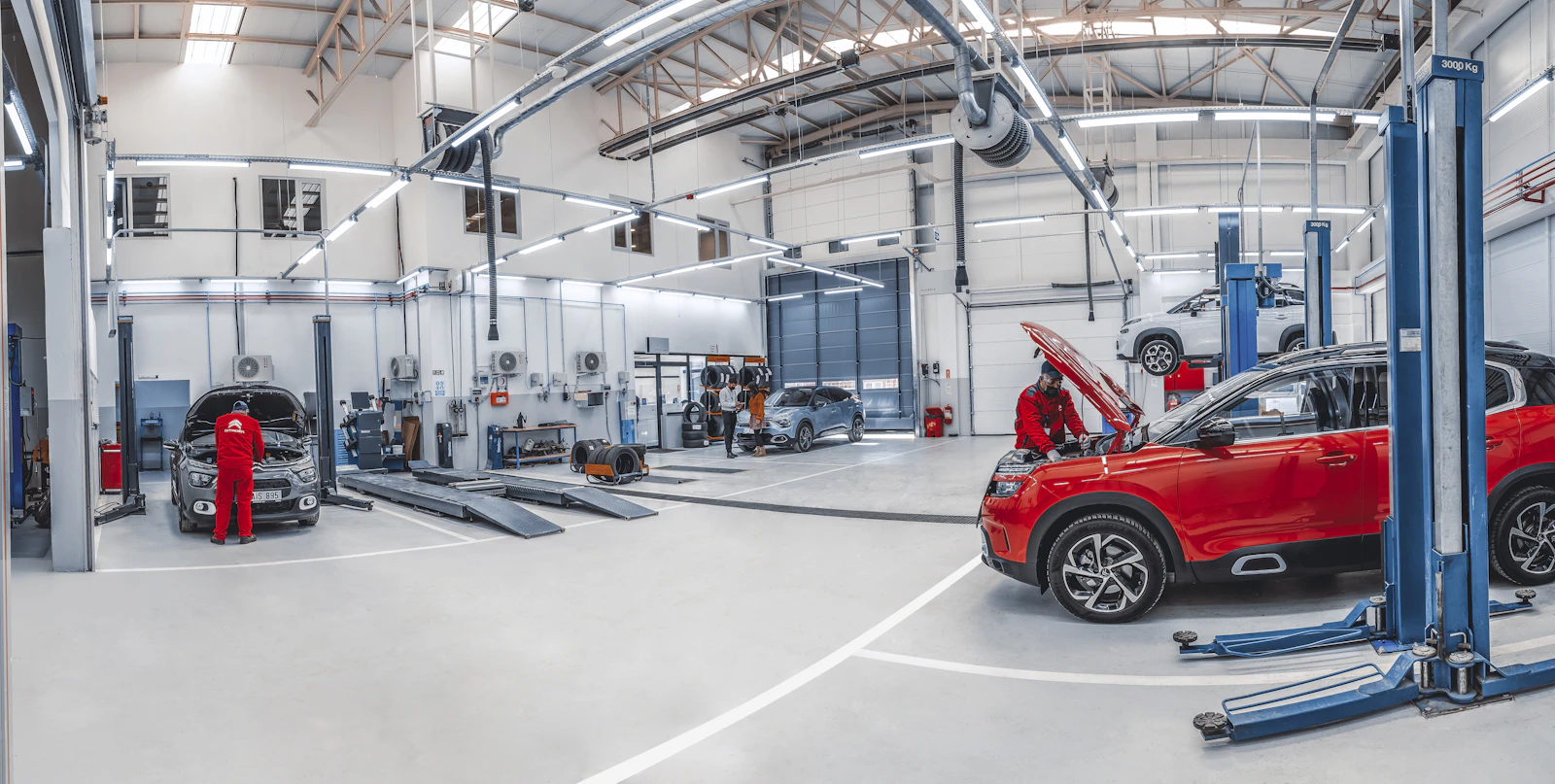
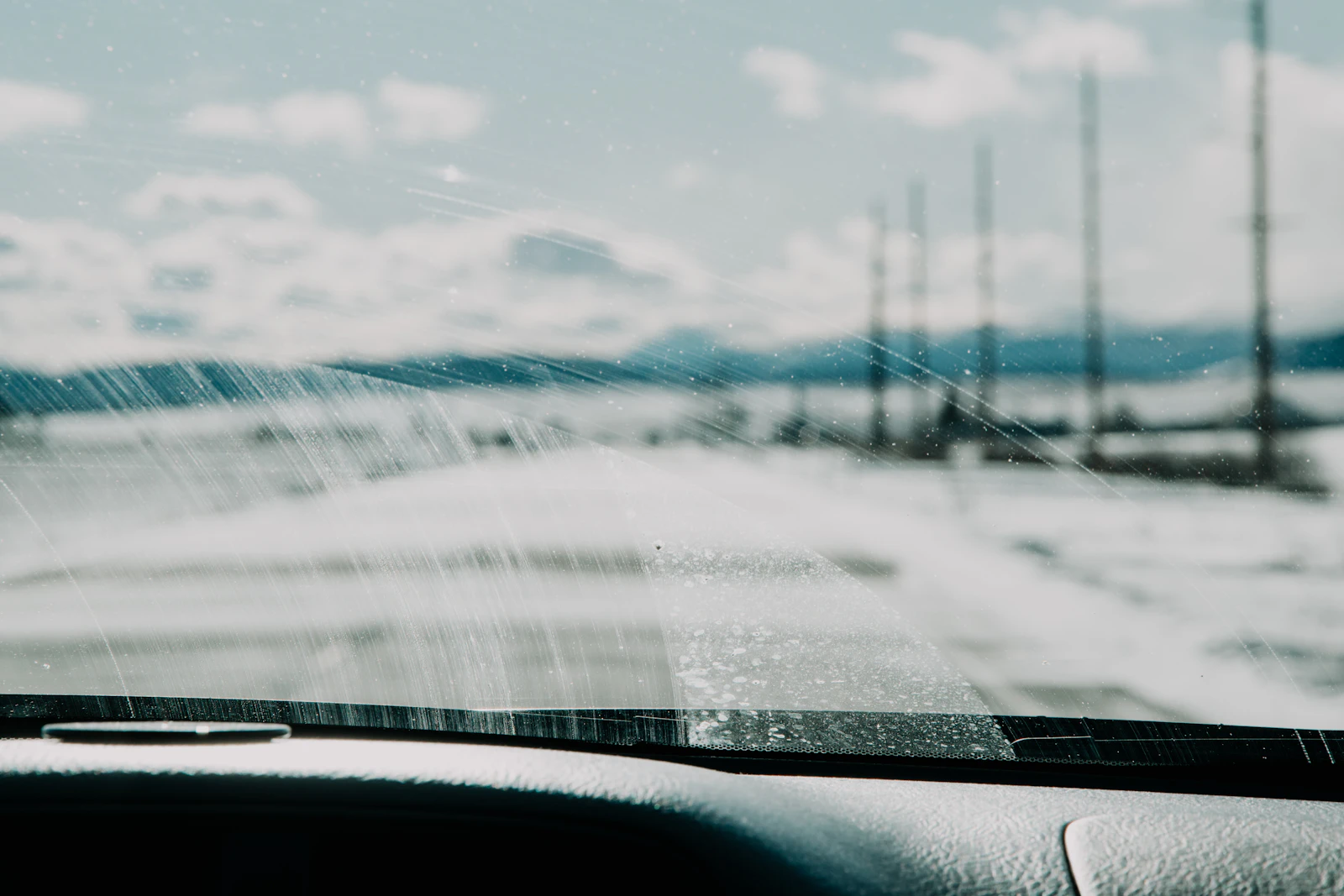
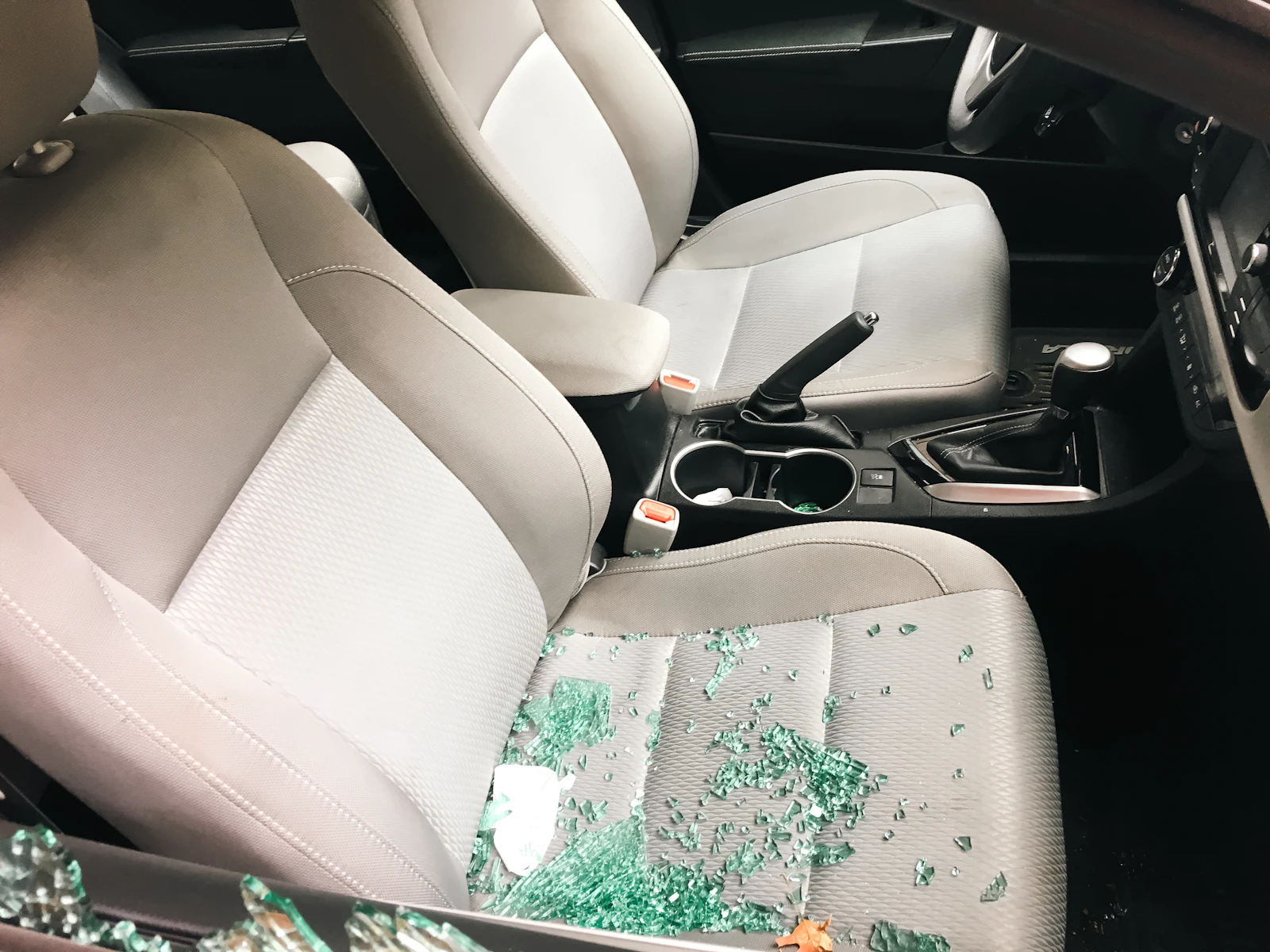
Deductible rules are set state by state — that is the part that actually varies. We cover every one.
The questions drivers actually ask about glass damage, cost and cover.
Chips up to about the size of a quarter and cracks up to roughly three inches are usually repairable. Three to six inches depends on depth and position; past six inches replacement is normally required. Some long-crack specialists claim up to 14 inches, but that is a minority position rather than the general rule.
Damage in the driver’s line of sight is disqualifying because even a clean repair leaves slight optical distortion. Damage at the glass edge is disqualifying because the edge is where the bond carries structural load — the windshield helps retain the roof in a rollover.
If your vehicle has lane keeping, automatic emergency braking or adaptive cruise, yes — the camera reading the road is mounted to the glass you just replaced. Budget about $300, in a $150–$600 range; some sources report $200–$700 by make and model.
That is the safe drive-away time, and it is not full cure — it is the point the bond can retain the glass in a crash and support airbag deployment. Standard-cure urethane is about 24 hours below 70°F, fast-cure about an hour, express as little as 30 minutes. Cold slows it sharply: a one-hour adhesive at 70°F can need 8+ hours at 35°F.
No. Windshield Brief connects you with licensed local auto glass companies. We are not an auto glass contractor. We publish the reference material and match you with a company that does the work.
Tell us what the damage looks like and we will put you in front of a licensed local company — no obligation.